From Recognition to Action: Celebrating Sanctuary, Community and Belonging
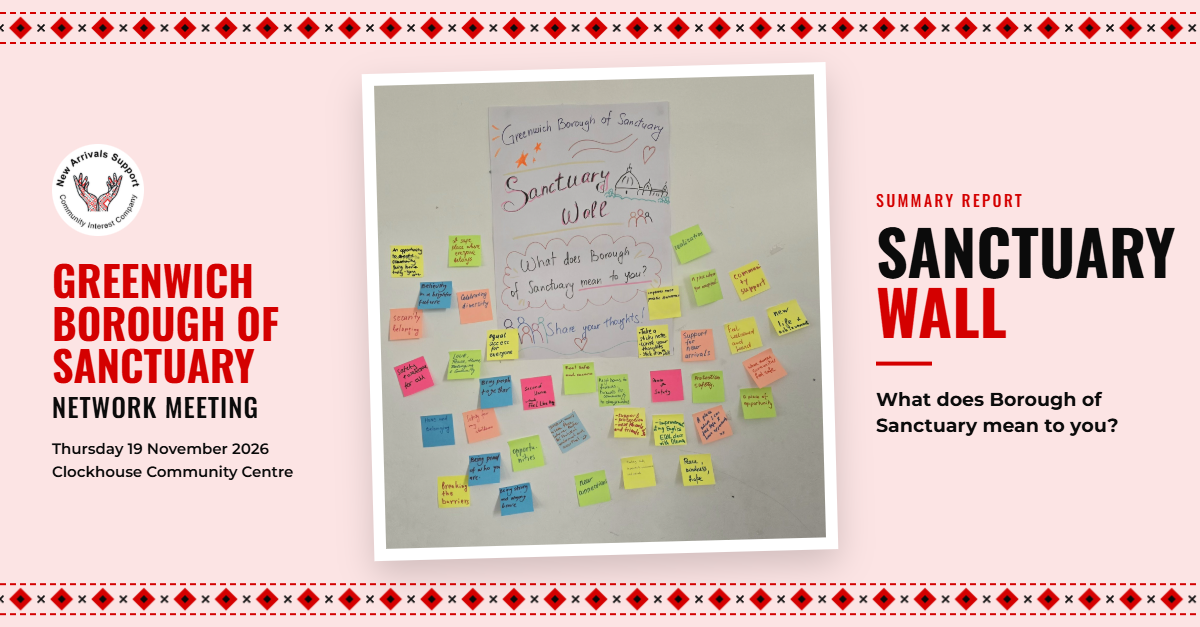
Thursday 19 November 2026 | Sanctuary Celebration Wall – Summary of Responses
Overview
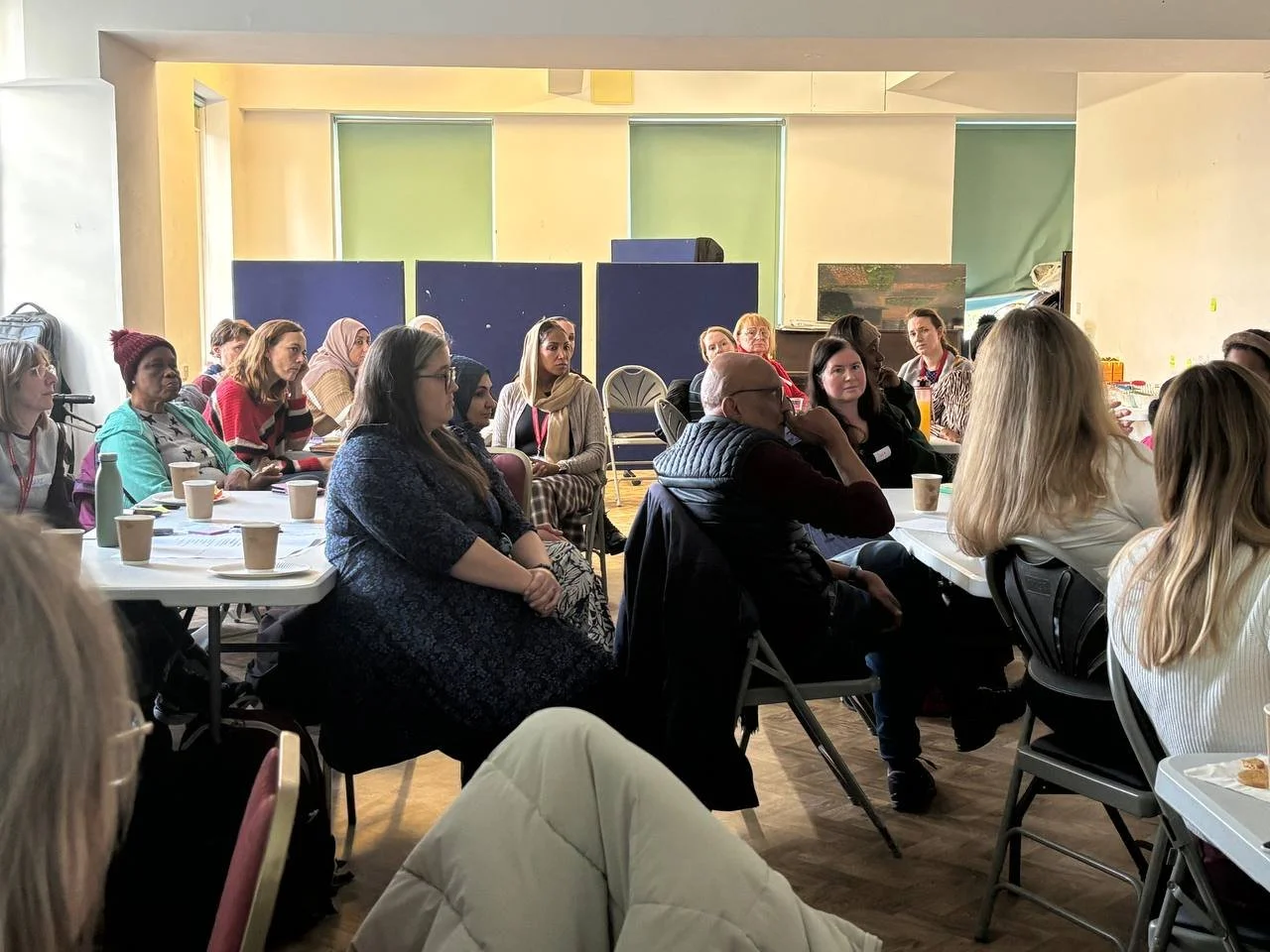
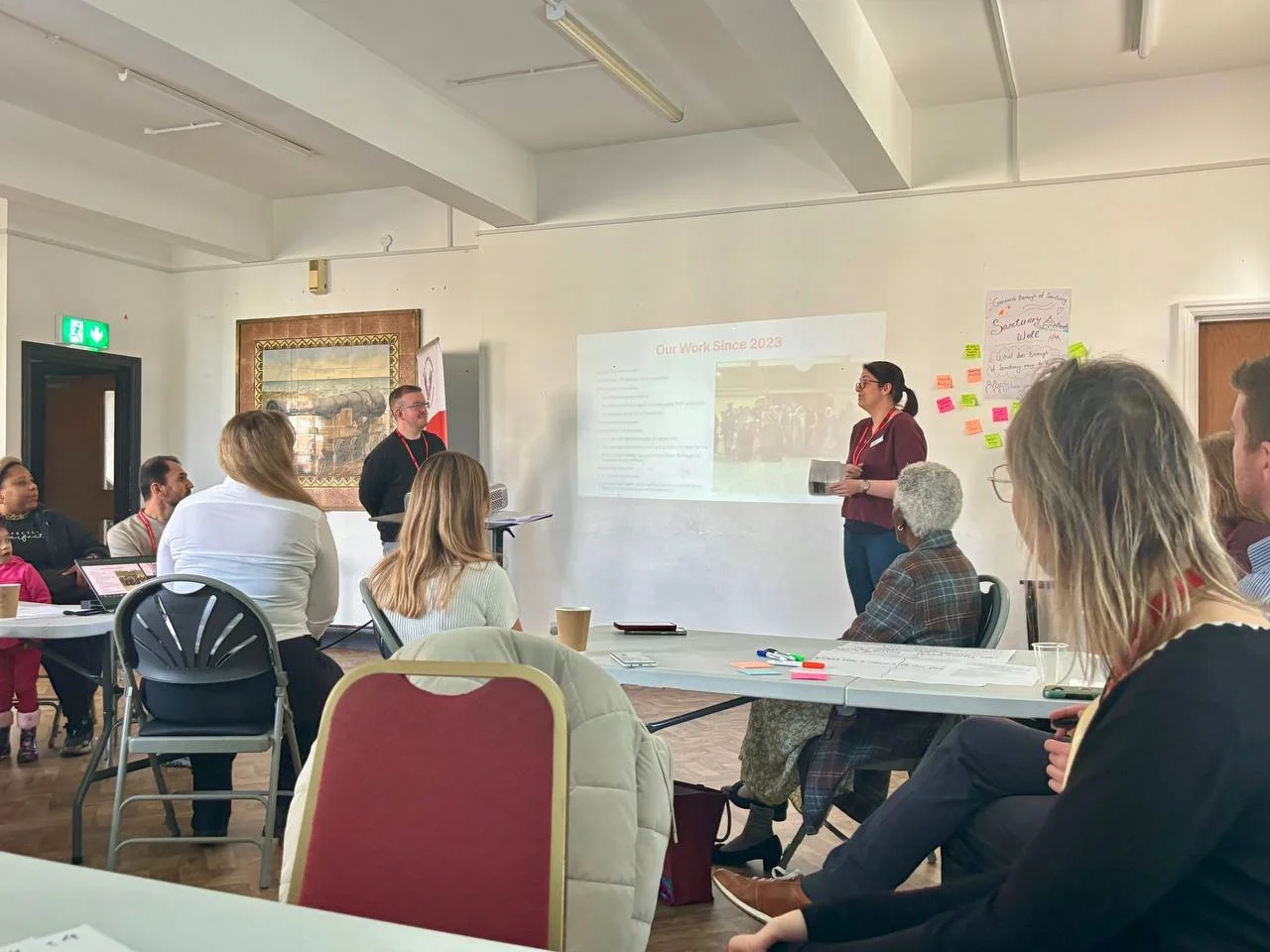
As part of the Greenwich Borough of Sanctuary Network meeting, held to celebrate the borough's successful re-accreditation, participants were invited to contribute to a colourful and interactive Sanctuary Wall during the arrival and networking session.
The activity asked a simple but important question:
"What does Borough of Sanctuary mean to you?"
The event brought together 42 attendees, including people with lived experience, voluntary and community sector partners, and representatives from the Royal Borough of Greenwich.
A total of 37 written responses were collected on sticky notes, capturing participants' thoughts, experiences and hopes for what sanctuary should mean in Greenwich.
The contributions provide a valuable insight into how sanctuary is understood by those participating in the Network and what matters most when creating a welcoming and inclusive borough.
Key themes emerging from the responses
1. Safety, security and protection
Safety was one of the strongest recurring themes. Participants described sanctuary as a place where people feel protected, secure and free from fear, including reassurance about the safety of their families.
Responses included "A safe place where everyone belongs" and "Safety for my children."
These reflections highlight that feeling safe is fundamental to sanctuary, but that safety is also closely connected to acceptance and belonging.
2. Belonging, welcome and acceptance
Many participants associated sanctuary with feeling at home, being accepted and having their voices heard.
Messages such as "Second home where I feel like home", "Feel welcomed and heard" and "Being proud of who you are" demonstrate the importance of dignity, identity and inclusion.
These responses reinforce that sanctuary is not only about accessing support, but also about feeling valued and recognised as part of the community.
3. Community connections and mutual support
Friendship, relationships and community support were another important theme.
Participants highlighted the value of bringing people together, building connections and supporting one another.
One particularly meaningful response described sanctuary as:
"Neighbours to friends. Friends to community to change makers."
This reflects how opportunities for social connection can strengthen belonging and enable people to contribute actively to their communities.
4. Opportunities, personal development and hope
Participants also saw sanctuary as a place where people can rebuild their lives, develop skills and look towards the future with confidence.
Responses included "Believing in a brighter future", "New life & achievements" and "Improvement of my English ESOL class with Olena."
These messages demonstrate that sanctuary goes beyond immediate safety. It also means having opportunities to learn, progress, achieve personal goals and build a positive future.
5. Equality, diversity and inclusion
Several contributions emphasised the importance of equal opportunities, celebrating diversity and removing barriers.
Messages such as "Equal access for everyone", "Celebrating diversity" and "Breaking the barriers" reflect participants' aspirations for a borough where everyone feels respected and able to participate.
What these responses tell us
Taken together, the 37 responses demonstrate that participants understand sanctuary as more than a formal designation or access to services.
Five interconnected elements emerged:
Safety: Feeling secure, protected and free from fear.
Belonging: Feeling welcomed, accepted, valued and heard.
Community: Building friendships, connections and mutual support.
Opportunity: Having the chance to learn, progress and build a positive future.
Inclusion: Being treated equally and having opportunities to participate and contribute.
These themes closely reflect Greenwich's Borough of Sanctuary Strategy 2026–2028 and its ambition to create "a welcoming place of safety where people seeking sanctuary can settle, integrate and thrive."
Importantly, the responses also offer a useful perspective on the Council's question: "How do we show the impact of our work together?"
They suggest that, alongside measuring services and activities, the Borough of Sanctuary partnership should consider how people experience safety, belonging, inclusion and opportunity in their everyday lives.
Conclusion
The Sanctuary Wall provided an informal and accessible opportunity for participants to reflect on what being a Borough of Sanctuary means to them.
Across the 37 written responses, the central message was that sanctuary is about feeling safe, welcomed, and accepted; building meaningful connections; and having opportunities to thrive.
These contributions provide a valuable community perspective that can help inform ongoing partnership discussions and the implementation of Greenwich's Borough of Sanctuary Strategy.
They also reinforce the importance of ensuring that the impact of sanctuary work is understood not only through what organisations deliver, but through the positive difference it makes to people's lives.
Note: The 37 responses represent written contributions, not necessarily 37 individual respondents. The activity was an informal engagement exercise rather than a representative survey.